 Our Location
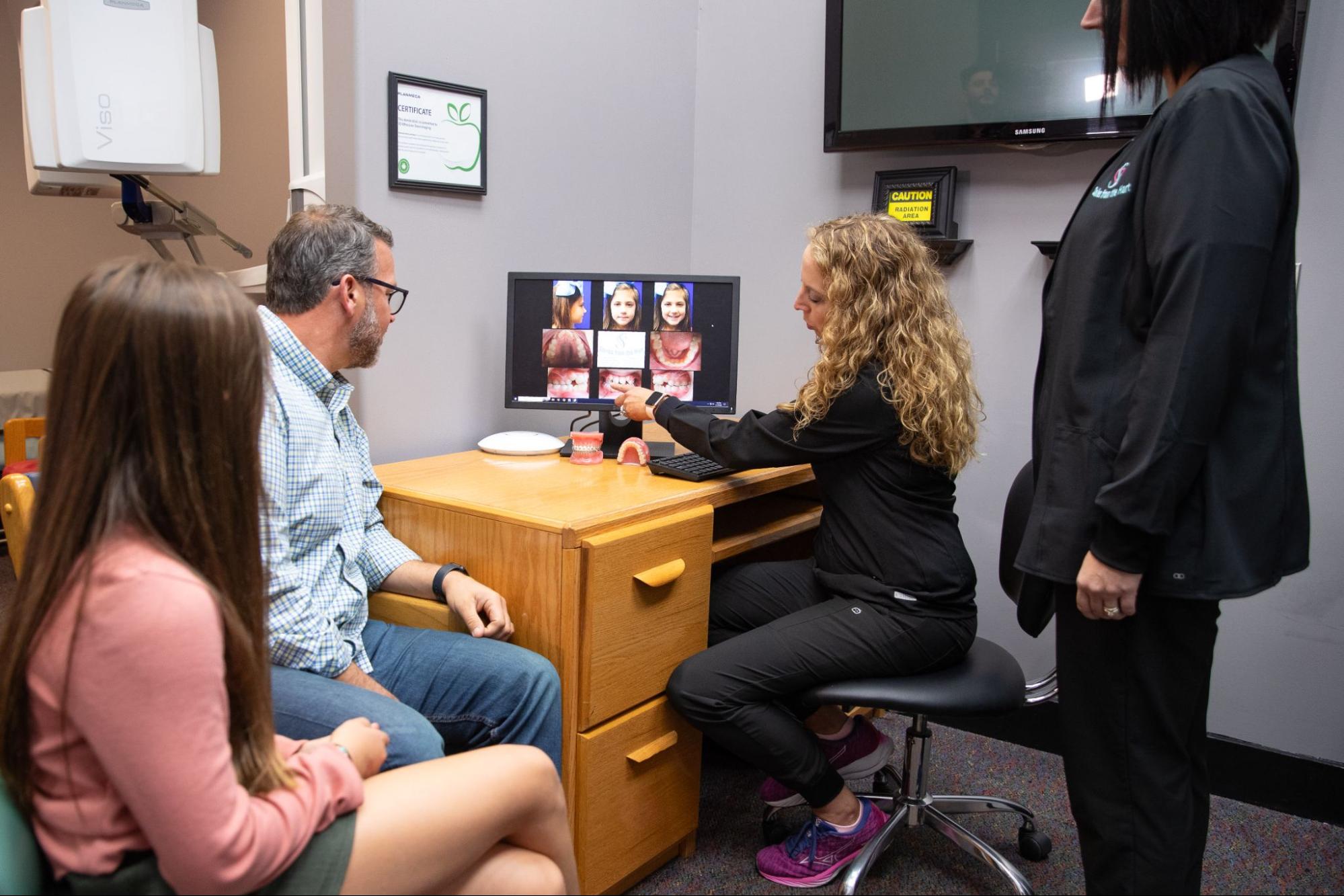
If you have ever wondered what an orthodontist actually does, or whether you should see one instead of your regular dentist, you are not alone. At Smiles from the Hart Orthodontics in Murfreesboro, Dr. Katherine A. Hart focuses entirely on straightening teeth and aligning jaws. This guide explains what an orthodontist does, how the role differs from a dentist and when it makes sense to see a specialist.
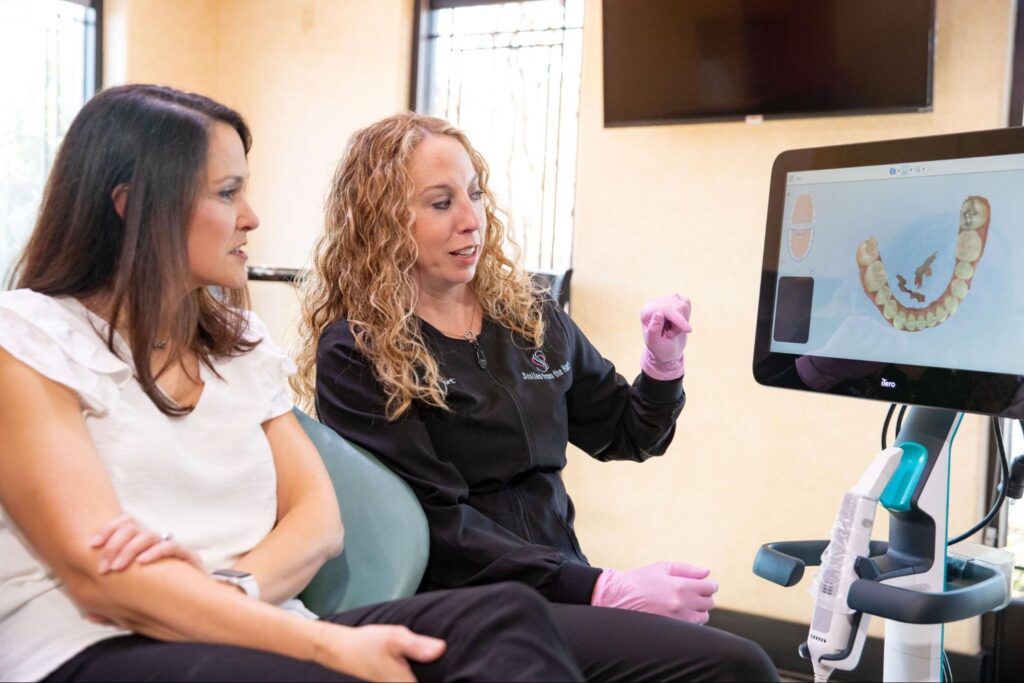
What Does an Orthodontist Do?
An orthodontist is a dental specialist who completes two to three extra years of training after dental school, focused only on tooth movement and jaw alignment. That means diagnosing alignment and bite problems, then correcting them with braces, Invisalign and other appliances. Where a general dentist looks after your overall oral health, an orthodontist specializes in moving teeth into the right position and keeping your bite balanced.
Beyond the technical side, the right orthodontist fits you. That means clear communication, honest treatment planning and a team that treats you like a person rather than a chart. A free consult is the easiest way to see that fit firsthand.
Here’s what an orthodontist handles day to day:
- Diagnosing crowding, gaps and bite problems
- Planning and fitting metal braces, clear braces and Invisalign
- Correcting overbites, underbites and crossbites
- Guiding jaw alignment and growth in children
- Fitting retainers to hold your results after treatment
At Smiles from the Hart, that specialist focus shapes every personalized treatment plan Dr. Hart builds, one smile at a time. It’s orthodontics with heart, from Dr. Hart, and it’s a difference your smile can see.
Orthodontist vs Dentist: What’s the Difference?
Dentists and orthodontists both go to dental school, but their day-to-day work is different. A dentist is your general oral health provider. An orthodontist takes extra specialist training and focuses on how teeth and jaws move.
Here’s how they compare:
In short, your dentist keeps your teeth and gums healthy, while your orthodontist moves your teeth and corrects your bite. Many people see both. Your dentist may even be the one who suggests you visit an orthodontist in the first place.
Can a dentist do braces or Invisalign?
Some general dentists offer Invisalign or limited braces. The difference is depth of training. An orthodontist spends years focused only on tooth movement and bite correction, which often means more options and more predictable results, especially for complex cases.
Do I need a referral to see an orthodontist?
No. You can book a consult with an orthodontist directly, no referral needed. Many patients come to Smiles from the Hart on their own, and others are referred by their family dentist.
When Should You See an Orthodontist?
Most people are candidates for orthodontic care, no matter their age. If your teeth or bite feel off, a specialist can tell you what is going on and what can help. The only way to know for sure is an evaluation.
Common reasons to see an orthodontist:
- Crowded or crooked teeth
- Gaps between teeth
- Overbite, where the top teeth sit too far forward
- Underbite, where the bottom teeth sit in front of the top teeth
- Crossbite, where teeth do not line up properly when biting
- Jaw discomfort or uneven wear on your teeth
The American Association of Orthodontists recommends that children have their first orthodontic evaluation by age 7. Early visits rarely mean early treatment. They give Dr. Hart the chance to spot growth patterns and plan the right time to start.
Adults are welcome too. It is never too late to straighten your smile, and discreet options like Invisalign and clear braces make adult treatment easier than ever. You can read more in our guide to adult orthodontic treatment.
Why Specialist Training Matters
A specialist brings something a general dentist can’t, which is years of focused training on how teeth and jaws move. Choosing an experienced orthodontist in Murfreesboro often means the difference between guesswork and a plan built on real expertise.
Here’s what you gain:
- Specialty expertise that leads to more predictable, lasting results
- More treatment options so your plan truly fits your lifestyle
- Modern technology like digital scans for better comfort and accuracy
- Care for every age including children, teens and adults
- A balanced bite that supports better long-term oral health
You can learn more about Dr. Hart and the full range of orthodontic treatments at our Murfreesboro practice. To explore your options in one place, visit our Murfreesboro orthodontics page.
Frequently Asked Questions About Orthodontists
What’s the difference between an orthodontist and a dentist?
A dentist handles general oral health like cleanings, fillings and crowns. An orthodontist is a dental specialist with two to three extra years of training focused only on aligning teeth and jaws. For braces, Invisalign and bite correction, an orthodontist offers more specialized expertise.
What training does an orthodontist have?
An orthodontist finishes dental school, then completes a two to three year orthodontic residency focused entirely on tooth movement and jaw alignment. Dr. Hart completed her dental education followed by a full orthodontic residency at the University of Tennessee Health and Science Center.
At what age should my child first see an orthodontist?
The American Association of Orthodontists recommends a first orthodontic evaluation by age 7. By then enough permanent teeth have come in to spot early issues. Most children won’t need treatment yet, but the visit helps Dr. Hart monitor growth and plan the right time to start.
Can adults see an orthodontist?
Absolutely. Adults make up a large share of orthodontic patients today. Healthy teeth can be moved at almost any age, and discreet options like Invisalign and clear braces make adult treatment more comfortable than ever.
Does seeing a specialist cost more?
Not necessarily, and value matters as much as the number. Cost varies from case to case, so the best way to get real figures is a free consult, where Dr. Hart reviews your smile and goes over pricing in detail for your plan.
Do I need a referral to see an orthodontist?
No. You can schedule directly with Smiles from the Hart. Some patients are referred by their dentist, but a referral is not required to book your consult.
Whether you are starting your own search or following your dentist’s advice, a specialist gives you a clear path forward. Real quality, real care, for real people. Get started with your free consult and meet Dr. Hart.